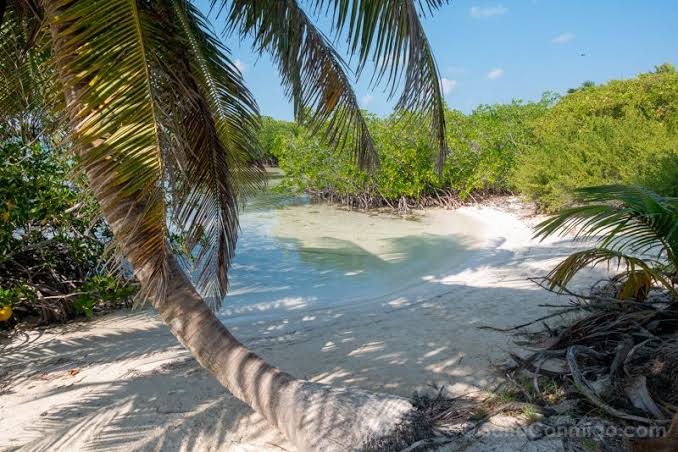
In the Mexican Caribbean, the term “eco-park” is often used loosely to describe commercialized nature theme parks. But Isla Contoy is the real deal. Designated as a National Park in 1998 and protected by the Mexican government, this small, 3.17-kilometer-long island is a critical sanctuary for biodiversity.
Known locally as the “Island of Birds” (Isla de los Pájaros), Contoy serves as a crucial nesting ground and refuge for both avian and marine life. Because human presence is strictly limited to 200 visitors a day, the animals here thrive without the stress of mass tourism.
If you are a nature lover, bird watcher, or simply someone who appreciates untouched ecosystems, here is a guide to the incredible Isla Contoy wildlife you can expect to see on your visit.
Quick answer: Isla Contoy is home to over 150 species of migrating and resident birds, most notably the Magnificent Frigatebird and the Brown Pelican. The surrounding waters and Ixlache reef are sanctuaries for endangered sea turtles, manta rays, and hundreds of tropical fish species.
[Insert Image 1: A Magnificent Frigatebird male with an inflated red pouch sitting in a mangrove. ALT: Magnificent Frigatebird on Isla Contoy National Park.]
The Avian Sanctuary: What Birds Will You See?
Isla Contoy is the most important nesting place for sea birds in the entire Mexican Caribbean. Depending on the time of year, over 150 different bird species utilize the island’s mangroves and lagoons.
- The Magnificent Frigatebird (Fragata Magnífica): This is the undisputed king of Contoy. With a wingspan of up to two meters, they are easily spotted soaring above the island. During mating season, the males inflate a bright red throat pouch to attract females—a spectacular sight for photographers.
- Brown Pelicans: Contoy hosts a massive colony of Brown Pelicans. You will often see them resting on the wooden piers or performing dramatic dive-bombs into the water to catch fish.
- Double-crested Cormorants: These diving birds are frequently seen drying their wings in the sun on the mangrove branches.
- Boobies and Egrets: Keep an eye out for the Brown Booby and various species of Herons and Egrets wading quietly in the shallow lagoon waters.
Marine Life: The Ixlache Reef
The wildlife on Isla Contoy isn’t limited to the sky. The island sits at the northernmost point of the Mesoamerican Barrier Reef system.
Before reaching the island, most eco-tours stop to snorkel at the Ixlache Reef. Because commercial boat traffic and fishing are banned here, the marine ecosystem is robust.
- Sea Turtles: The waters around Contoy are feeding grounds for Hawksbill, Loggerhead, and Green sea turtles. During the summer months, these turtles also use the protected beaches of Contoy for nesting.
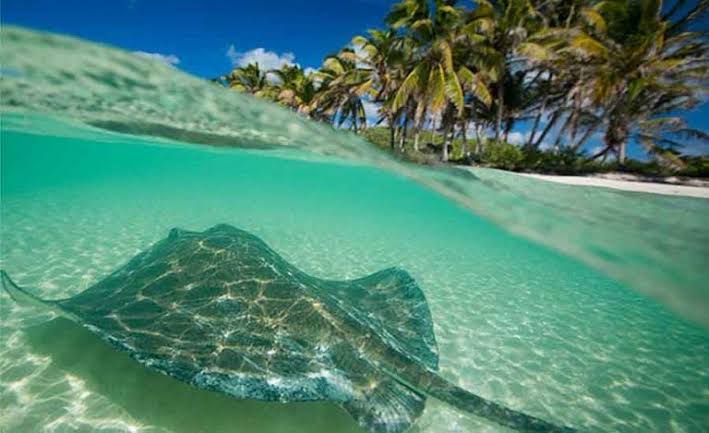
- Rays: It is common to spot Southern Stingrays gliding along the sandy bottom, and occasionally, Spotted Eagle Rays.
- Tropical Fish: The reef is teeming with Sergeant Majors, Parrotfish, Blue Tangs, and French Angelfish navigating through healthy staghorn and brain coral formations.
The Mangroves: The Nursery of the Sea
While exploring the island’s designated walking paths, your guide will point out the dense mangrove forests (primarily Red and Black mangroves). These mangroves are vital to the ecosystem. They provide safe nesting sites for the birds above and act as a nursery for juvenile fish and crustaceans below the waterline, protecting them from larger ocean predators.
How to Protect the Wildlife During Your Visit
Visiting a pristine habitat comes with responsibility. To ensure the wildlife of Isla Contoy remains undisturbed:
- Stay on the paths: Never wander off the designated wooden boardwalks.
- Do not feed the animals: Human food makes wildlife sick and alters their natural hunting behaviors.
- No chemical sunscreens: Only use UV-protective clothing. Even “biodegradable” sunscreens can leave a residue that harms coral and fish larvae.
- Keep your distance: Use the island’s observation tower for bird watching rather than trying to approach nests.
Frequently Asked Questions
What is the best time of year for bird watching on Isla Contoy? While birds are present year-round, the winter months (December to March) bring a large influx of migratory species. Spring is excellent for observing mating behaviors and nesting.
Are there dangerous animals on Isla Contoy? No. There are no large land predators. You may see small reptiles like iguanas and hermit crabs. In the water, marine life is safe to observe from a distance; simply avoid touching the coral or any marine animals.
Can I bring binoculars? Yes, bringing binoculars is highly recommended! They are perfect for spotting nesting birds in the dense mangroves and getting a closer look at the wildlife from the observation tower.
Will I definitely see sea turtles? While the Ixlache reef is a known habitat for sea turtles, they are wild animals, and sightings cannot be guaranteed. However, the overall abundance of marine life makes every snorkeling trip rewarding.
Why are there so many hermit crabs on the island? Hermit crabs thrive on the island due to the lack of human interference and abundant natural food sources. You will often see them scurrying across the sandy paths—be careful where you step!
Ready to grab your binoculars and witness the Mexican Caribbean’s most vibrant ecosystem? Join our certified guides for a respectful, educational, and unforgettable journey into nature. Book your Isla Contoy wildlife tour today!
Leave a Reply