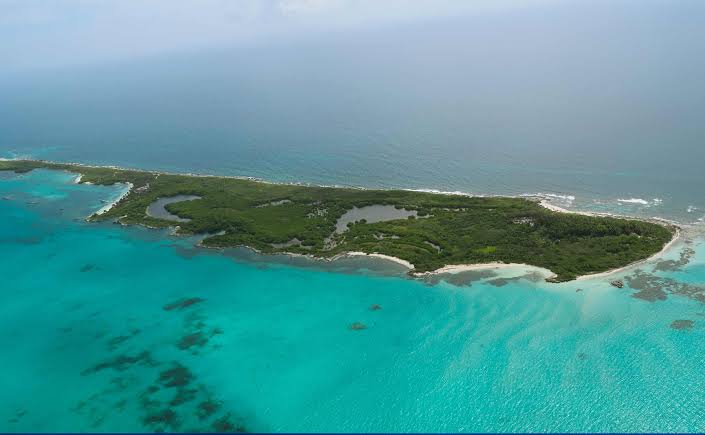
Embarking on an adventure to Isla Contoy, Mexico’s first ecological reserve, is a unique opportunity to connect with nature in its purest form. As a designated National Park and a vital bird sanctuary, Contoy demands a mindful approach. This isn’t just another beach destination; it’s a delicate ecosystem that requires visitors to be prepared, not just with the right gear, but with the right mindset. Understanding how to prepare for your Isla Contoy eco-tourism experience is key to ensuring your visit is both memorable and respectful of this precious natural treasure.
Quick Answer
Preparing for Isla Contoy involves understanding and respecting its status as a protected ecological reserve. This means bringing reef-safe sunscreen, avoiding single-use plastics, packing light but smart (hat, sunglasses, swimwear, comfortable walking shoes), and being ready to follow park guidelines to protect its rich birdlife and marine ecosystems. Your preparation directly contributes to the island’s conservation.
Understanding Isla Contoy: More Than Just a Beautiful Island
Isla Contoy, often referred to as the “Island of the Birds,” is a sanctuary for over 150 species of birds, including significant populations of frigatebirds, pelicans, and cormorants. It’s also a crucial nesting ground for sea turtles. Its designation as a National Park means its natural state is paramount, and human activity is strictly regulated to preserve its biodiversity. When you plan a visit, you’re signing up to be a temporary guardian of this vital habitat.
Your Eco-Conscious Preparation Checklist
While packing for a tropical getaway is usually straightforward, Isla Contoy’s protected status requires a slightly different approach. Think ‘leave no trace’ and ‘respect the wildlife’.
Sun Protection: Beyond the Usual
The Caribbean sun is intense, and protecting yourself is vital. However, Isla Contoy’s marine life is sensitive.
- Reef-Safe Sunscreen is Non-Negotiable: Choose sunscreens that are free of oxybenzone and octinoxate, chemicals known to harm coral reefs. This is a crucial step for responsible snorkeling and swimming.
- Wide-Brimmed Hat: Essential for prolonged sun exposure, especially during boat trips or while observing birds.
- UV-Protective Clothing: Consider a rash guard or lightweight, long-sleeved shirt for extra protection and to minimize sunscreen use.
- Sunglasses: Polarized sunglasses are ideal for reducing glare on the water and protecting your eyes.
Clothing & Footwear: Comfort Meets Conservation
Comfort is key, but practicality and respect for the environment should guide your choices.
- Lightweight, Breathable Clothing: Think quick-drying fabrics. You’ll want comfortable shorts, t-shirts, and perhaps a light cover-up for the boat ride.
- Swimwear: Obviously essential for enjoying the pristine waters.
- Water Shoes or Sandals: Ideal for walking on the beach and potentially getting on and off a boat. They can also protect your feet from hot sand or sharp shells.
- Comfortable Walking Shoes (Optional but Recommended): If you plan to explore the designated trails or climb the observation tower, comfortable, closed-toe shoes will be much better than flip-flops.
Gear for Observation and Enjoyment
To truly appreciate Isla Contoy’s natural wonders, consider bringing specific items:
- Binoculars: A must-have for any birdwatcher. The island is teeming with avian life, and binoculars will greatly enhance your viewing experience.
- Camera: Capture the stunning landscapes and incredible wildlife. Ensure you have enough battery life and storage space.
- Reusable Water Bottle: Isla Contoy is a protected area, and minimizing waste is critical. Bring a refillable bottle and avoid purchasing single-use plastic bottles.
- Insect Repellent: While generally not a major issue during the day, it’s wise to have some on hand, especially if visiting during certain seasons or spending extended time near mangroves.
Understanding and Adhering to Park Regulations
The rules on Isla Contoy are in place to protect its fragile ecosystem. Familiarizing yourself with them before you arrive will ensure a smoother and more respectful visit.
- No Feeding Wildlife: This is crucial. Feeding animals disrupts their natural diet and behavior, and can make them dependent on humans.
- Stay on Designated Paths: To protect nesting sites and sensitive vegetation, always follow marked trails.
- No Touching Coral: If you go snorkeling, remember that coral is a living organism. Do not touch, stand on, or break any coral.
- No Littering: Pack out everything you pack in. Bring a small bag for your trash.
- Respect Restricted Areas: Certain zones are off-limits to visitors to protect wildlife breeding grounds or sensitive habitats.
- No Fishing or Souvenir Collection: It is strictly forbidden to fish, collect shells, plants, or any other natural souvenirs from the island.
Mindset for a Meaningful Visit
Beyond physical preparations, cultivating the right mindset is perhaps the most important aspect of eco-tourism preparation for Isla Contoy. Approach your visit with curiosity, respect, and a desire to learn. Understand that you are a guest in a wild space.
- Be Patient and Observant: Wildlife sightings are not guaranteed, but patience and keen observation often reward visitors with incredible moments.
- Listen to Your Guide: Your tour guide is knowledgeable about the island’s ecology and rules. They are your best resource for understanding and respecting the environment.
- Embrace the Serenity: Isla Contoy offers a chance to disconnect and immerse yourself in nature. Appreciate the quiet and the natural sounds of the island.
What to Expect from Your Tour
Most visitors experience Isla Contoy via an organized tour from Cancun, Isla Mujeres, or the Riviera Maya. These tours typically include boat transportation, a guided visit to the island’s observation tower and interpretive center, and often snorkeling opportunities at nearby reefs. The boat ride itself can be an adventure, offering chances to spot dolphins or other marine life. Understanding the tour structure helps manage expectations and further aids in preparation.
By taking the time to prepare thoughtfully, you ensure your visit to Isla Contoy is not only enjoyable but also contributes to the ongoing preservation of this extraordinary natural sanctuary. Your responsible preparation is a vital part of its continued protection for generations to come.
Frequently Asked Questions
What is the most important item to bring for Isla Contoy’s eco-tourism? Reef-safe sunscreen is paramount. It protects your skin while safeguarding the delicate marine ecosystems that Isla Contoy is famous for. Can I bring single-use plastics to Isla Contoy? No, it is strongly discouraged. Isla Contoy is a protected area aiming for minimal waste. Bring a reusable water bottle and avoid any disposable plastic items. Are there guided tours available for birdwatching specifically? While general tours include birdwatching, guides are knowledgeable and can point out various species. Dedicated birdwatching tours may be available through specialized operators, focusing more on observation. What should I do if I see litter on the island? If you find litter, please collect it and bring it back with you to dispose of properly. This is a crucial way to help maintain the island’s pristine condition. Is it possible to swim at Isla Contoy? Yes, swimming is permitted in designated areas. You can also enjoy snorkeling near the island’s coral reefs, but remember to use reef-safe sunscreen and avoid touching any marine life. What kind of wildlife can I expect to see beyond birds? Beyond the abundant birdlife, you might spot sea turtles (especially during nesting seasons), various fish species while snorkeling, and possibly dolphins during your boat journey.